>
[Trivial Advice for Practitioners] Three Things to Remember When Working with Clients New to Agile
[Trivial Advice for Practitioners] Three Things to Remember When Working with Clients New to Agile
This article is part of the “Trivial Advice for Practitioners” series.
by
HEEWON CHOI

Three Things to Remember When Working with Clients New to Agile
In agile projects, it’s common to meet clients who are unfamiliar with the methodology. They often bring extensive wishlists compiled from multiple departments, and sometimes these even come bundled with fixed timelines.
While this looks like thorough preparation from their perspective, for the team, it often feels like pressure:
“How can we do agile when everything has already been decided?”
Here are three things to remember.
1. Manage Your Frustration
When faced with unrealistic or overwhelming requests, it’s easy to feel frustrated. However, showing that emotion directly not only risks damaging trust, but it also impacts our own happiness at work.
We work with people from all walks of life, and many of them won’t naturally fit with us. If every mismatch brings irritation, work quickly becomes exhausting.
Think of a seven-year-old child sharing wild ideas. Nobody gets angry at them. Similarly, we can choose to view client input as a sincere effort rather than a provocation.
👉 Respect and emotional control are not just for the client. They are choices we make to protect our own happiness.
2. Let the Client Prioritize
The critical question is always: “What should we start with?” One common trap is deciding priorities for the client. When that happens, the client may think:
“Well, they’re the experts — I’m sure they’ll deliver everything on time.”
And with that, they step back into the role of a passive customer instead of an active partner.
Instead, we choose some of our facilitation techniques and tools and help them prioritize. For example:
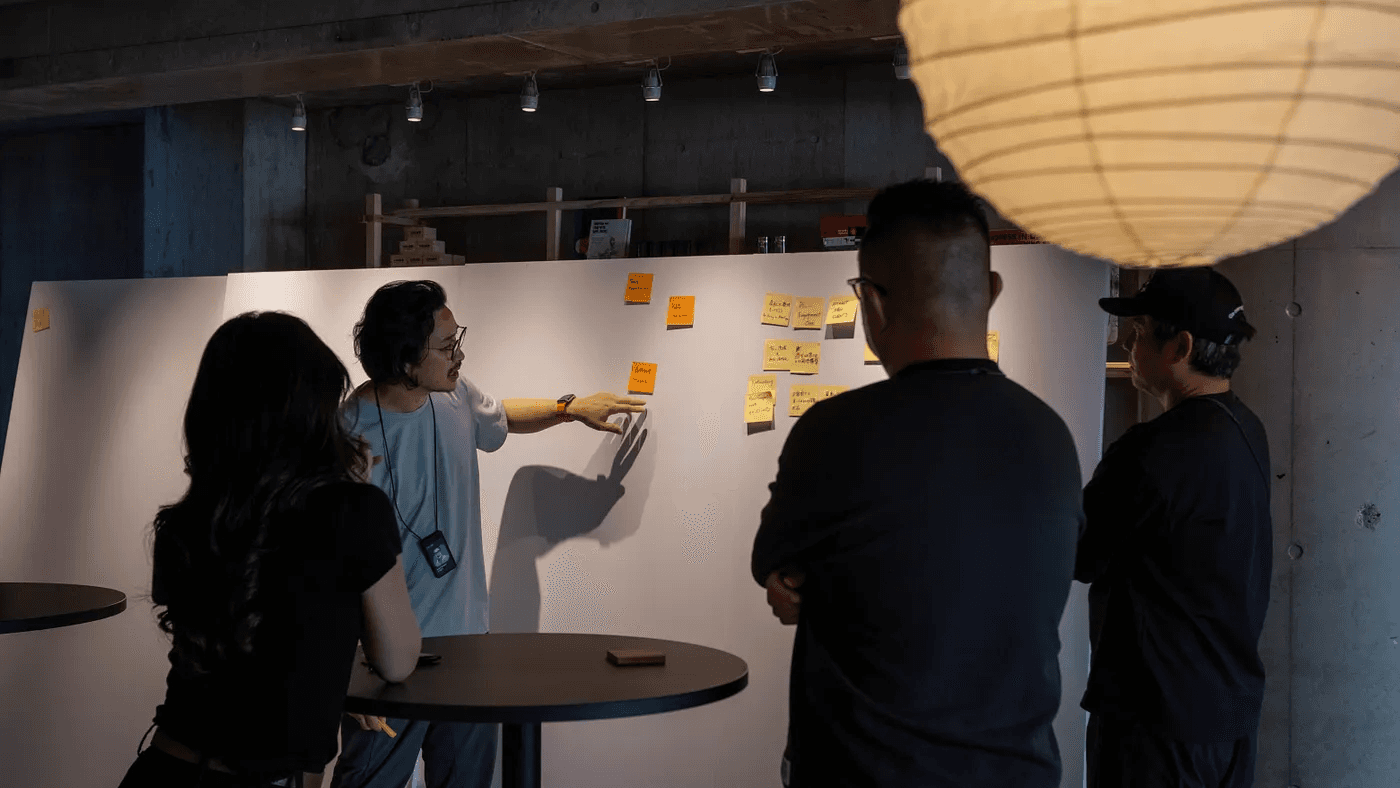
Work at the Wall: Post all ideas on the wall and let everyone see the big picture.
2x2 Matrix: Sort by value vs. effort to clarify trade-offs.
Dot Voting: Let the team collectively visualize priorities.
Through these exercises, clients realize for themselves what matters most, and they feel ownership of the decision.
3. Don’t Explain Agile — Let Them Experience It
Trying to “teach” Agile at the start rarely works. It often increases discomfort and undermines collaboration.
Instead, let them experience it in the flow of work. Break discussions into shorter cycles, show tangible progress early, and invite clients to actively participate in shaping the outcome.
Through these moments, they discover for themselves:
“Oh, working this way helps us learn faster.”
Later, briefly connect the dots:
“What we just practiced is actually a core agile principle.”
That’s when the client nods and says,
“Oh, now I get what agile really means.”
This is the true aha! Moment.
Closing
When working with clients new to agile, remember:
Manage frustration and start with respect.
Help the client set their own priorities.
Don’t explain agile, let them experience it.
These aren’t just methods for protecting trust. There are also ways to ensure we stay happy at work.